Quick diagnosis
Match the row to what you’re seeing, then jump to the fix.
| What you see | Likely cause | Confidence | How to confirm | What to do now | Urgency |
|---|---|---|---|---|---|
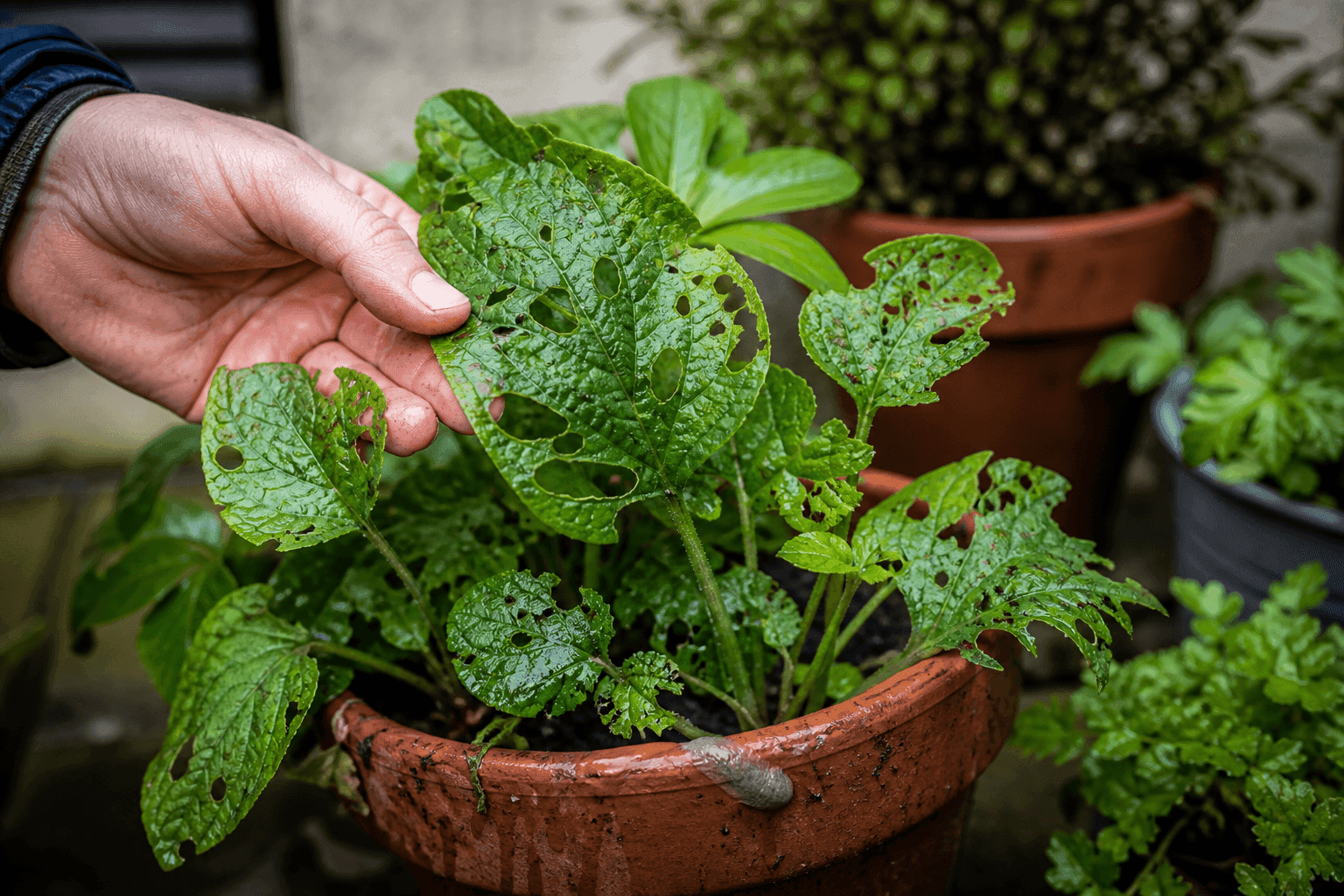
| Seedlings disappearing overnight or ragged holes in young leaves with slime trails | Slug feeding on seedlings and soft growth | High | Check at dusk or with a torch at night; look for silvery slime trails on soil and leaves | Apply nematodes to moist soil; scatter ferric phosphate pellets around affected plants; hand-pick at night | High |
| Potato tubers, tulip bulbs or carrot roots with deep round tunnels | Underground slug feeding (keel slugs, Tandonia species) | High | Dig carefully near damaged plants — look for pale grey or yellowish keel slugs in the soil | Apply nematodes before planting and mid-season; avoid susceptible cultivars | High |
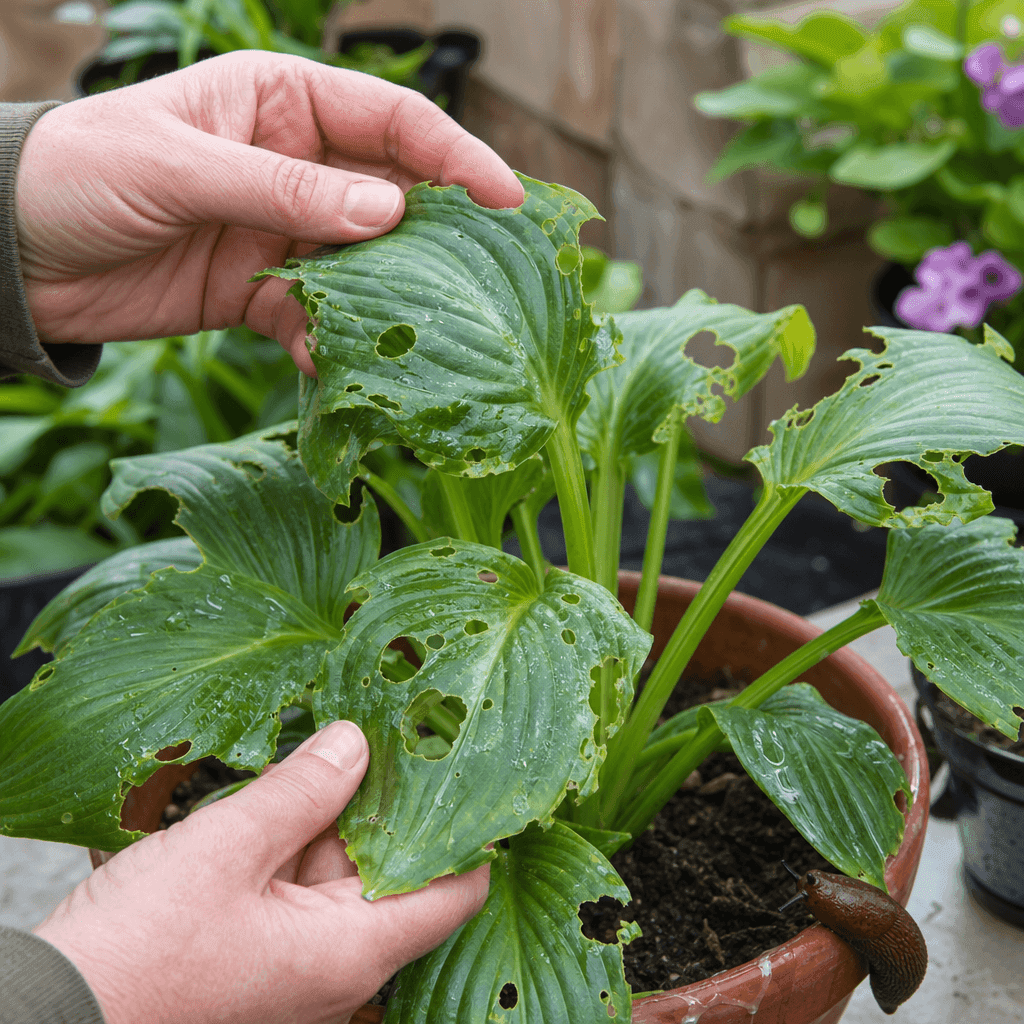
| Ragged holes in leaves higher up the plant; empty or broken shells nearby | Snail feeding | High | Snails climb; look on walls, under pots and in dense foliage; slime trails may be less obvious in dry spells | Hand-pick and relocate or dispatch; reduce dense debris; ferric phosphate pellets are effective against snails too | Medium |
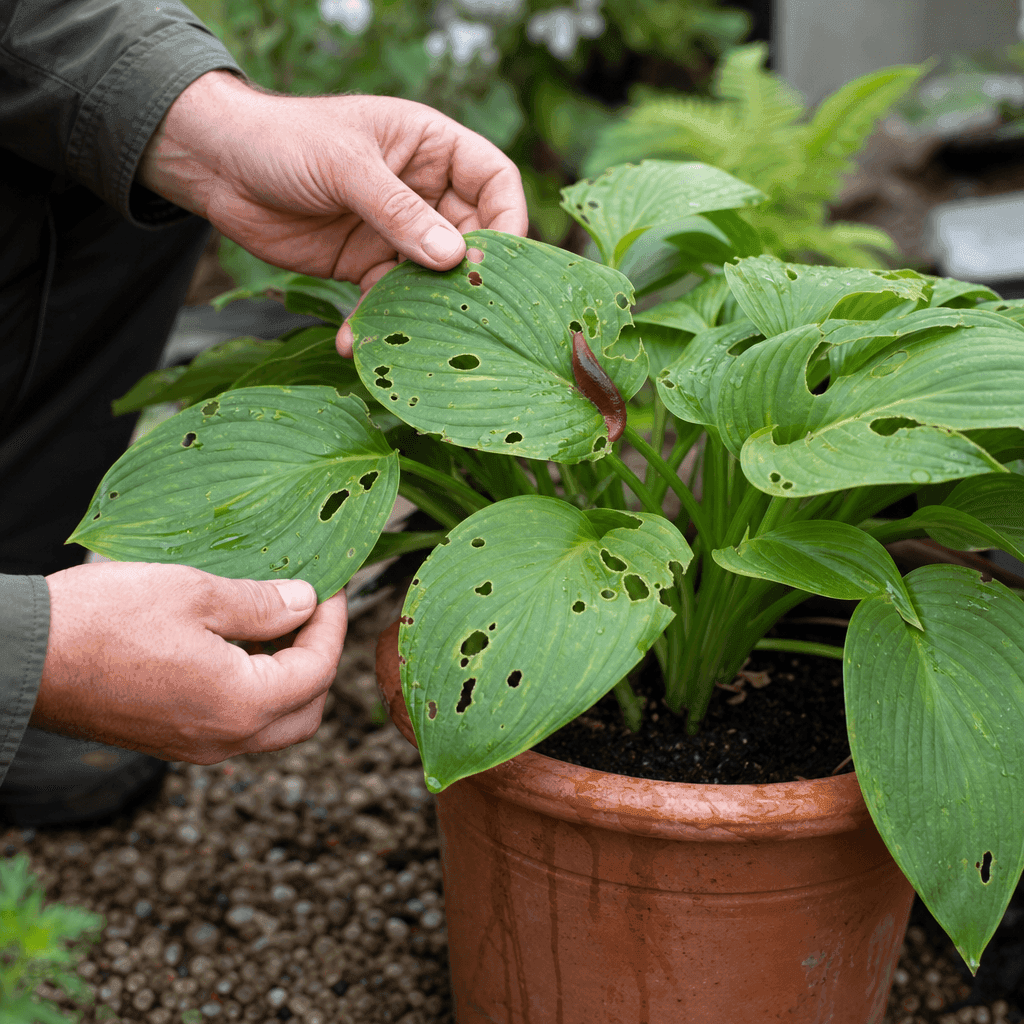
| Holes in hostas, dahlias, delphiniums or brassica seedlings | Slug damage on highly susceptible plants | High | These plants are slug magnets; check crown and soil level at dusk | Use a combination of nematodes, pellets and physical barriers for pots; choose slug-resistant varieties where possible | Medium |
| Notched leaf edges, wilting and collapsed plants; white C-shaped grubs in compost | Vine weevil (not slugs) — similar symptom | Medium | Slug damage leaves slime; vine weevil leaves no slime. Tip out the pot and check for white grubs at the roots | Treat with vine weevil nematodes (Steinernema kraussei) in late summer/early autumn; replace badly affected compost | High |
The causes, in detail
Slug feeding on seedlings and soft foliage
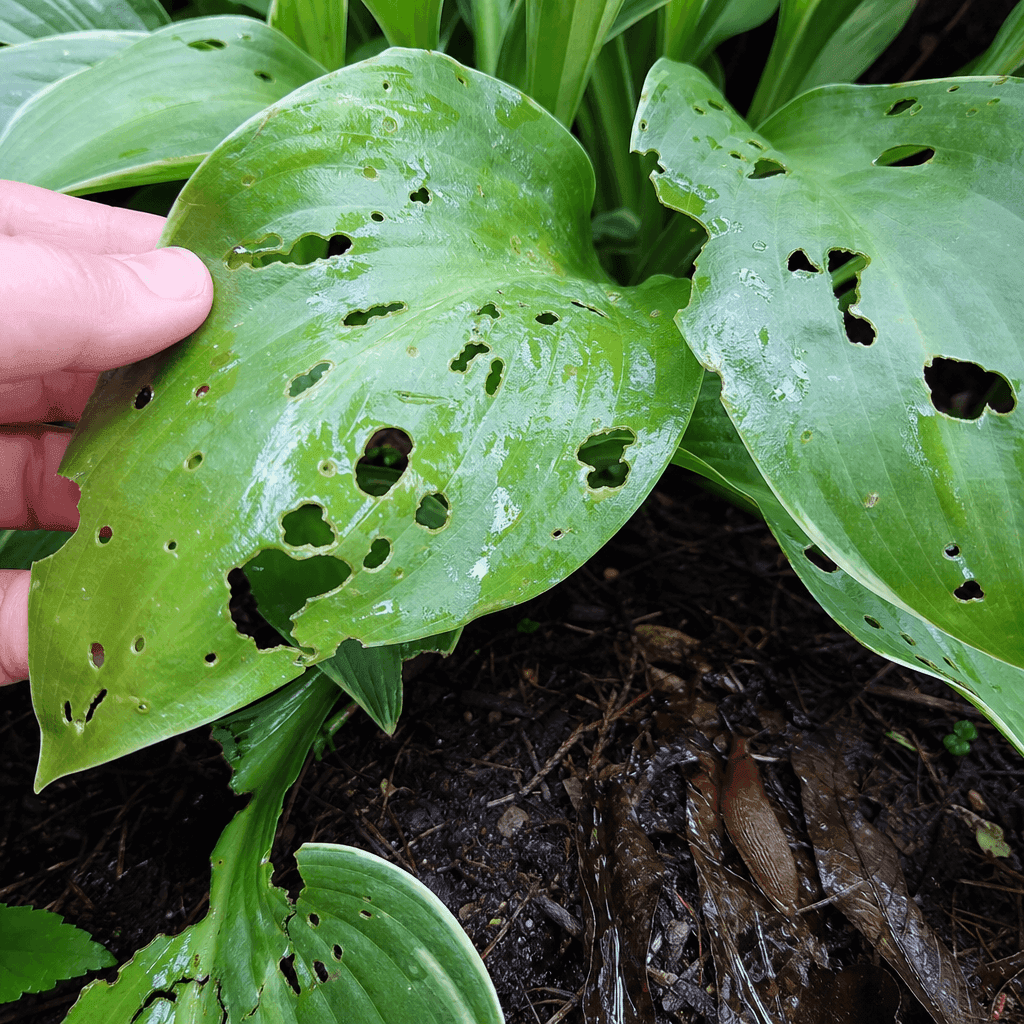
Most likelyThe UK has around 30 slug species, but a handful — including Deroceras reticulatum (grey field slug), Arion hortensis (garden slug) and Arion ater (large black slug) — cause most garden damage. Seedlings and soft new growth are most vulnerable because slugs prefer tender, high-moisture tissue. The RHS notes that slug and snail damage is one of the most frequently reported garden problems and that outbreaks are worst after mild, wet winters followed by a damp spring.
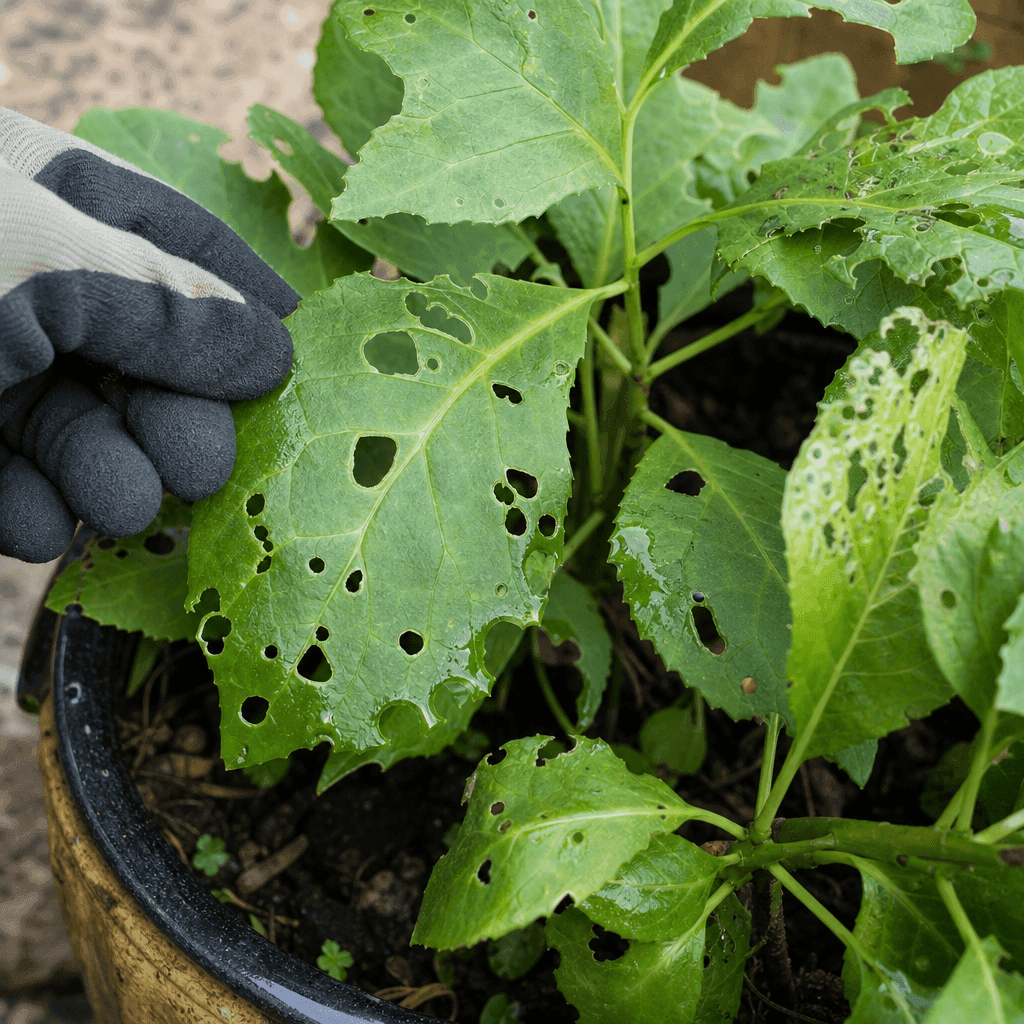
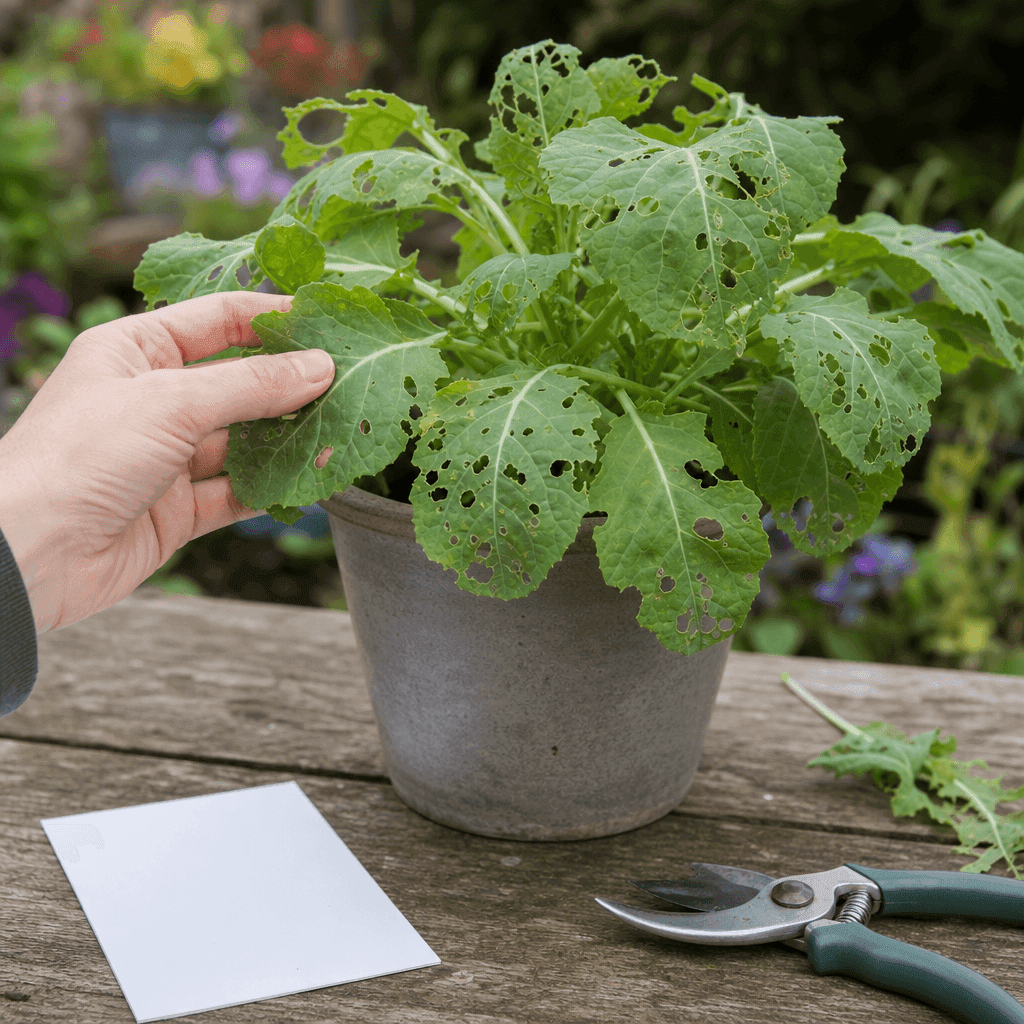
- Ragged, irregular holes in leaves — not clean-edged cuts (which suggest caterpillars or other leaf-eating pests that make holes in leaves).
- Silvery slime trails on leaves and soil surface.
- Seedlings disappearing completely overnight.
- Damage is worst after wet nights or during rainy spells.
- Check at dusk or night with a torch to observe slugs directly.
- Apply Nemaslug nematodes (Phasmarhabditis hermaphrodita) to moist soil when soil temperature is above 5°C — best in spring and early autumn.
- Scatter ferric phosphate slug pellets around vulnerable plants according to label rates; these are approved for organic growing and do not harm birds, hedgehogs or dogs.
- Hand-pick slugs at night, especially after rain; drop into salty water or cut in half.
- Set beer traps — jam jars sunk to rim level, half-filled with cheap lager — and empty daily.
- Clear daytime hiding places: lift boards, move pots, reduce dense leaf litter where slugs shelter.
Stop it coming back:Delay sowing or planting out until seedlings are large enough to withstand some slug grazing. Start seeds undercover and pot on before planting out.
use metaldehyde-based slug pellets — they are now banned in the UK as they harm birds and other wildlife that eat poisoned slugs.
Underground slug feeding on roots and tubers
Most likelyKeel slugs (Tandonia budapestensis and T. sowerbyi) live almost entirely underground and attack potato tubers, tulip bulbs, carrot and parsnip roots. They are small, yellowish-grey and rarely seen on the surface. RHS research highlights them as the most difficult slugs to control with surface methods because traps and barriers are ineffective against a subterranean pest. Nematodes are the most practical control, as they work below ground.
- Round or oval entry tunnels in potato tubers or root vegetables — not the surface scraping of wireworm.
- Pale grey or yellowish slugs found when digging near damaged plants.
- Bulbs and tubers rotting from within after planting.
- No slime trails on the soil surface despite significant plant damage.
- Apply Nemaslug nematodes before planting potatoes and at tuber initiation (when tubers begin to form).
- Harvest main-crop potatoes as soon as they are ready — delay increases damage.
- Choose cultivars rated as slug-resistant by AHDB or variety triallists.
- Rotate crops to reduce slug populations building up in one spot.
- Avoid leaving tubers or roots in the ground over winter unnecessarily.
Stop it coming back:Nematode applications work best when the soil is moist and above 5°C. Apply in spring and again in late summer for potato crops.
rely solely on surface pellets or barriers against keel slugs — they do not reach the soil levels where these slugs feed.
Snail feeding
Most likelyThe common garden snail (Cornu aspersum) is as damaging as slugs and shares similar feeding habits, but it also climbs walls, trellises and tall plants that slugs cannot easily reach. Snails are more visible than slugs during the day — especially in humid weather — but shelter in dense growth, under pots and in wall crevices. BBC Gardeners' World notes that snails are active whenever temperatures are above about 5°C, and are a year-round problem in mild UK winters.
- Holes in leaves at various heights, not just at ground level.
- Shells found in sheltered spots — under pots, in wall gaps, in dense evergreens.
- Slime trails on walls, pots and climbing plants.
- Active during warm rain or in the evening.
- Hand-pick snails in the evening and early morning; relocate them at least 20m away or dispatch them.
- Reduce sheltered hiding spots — clear dense debris, lift pots off the ground.
- Use ferric phosphate pellets around vulnerable plants; these work on snails as well as slugs.
- Check walls and fences at night and remove snails sheltering there.
assume all mollusc damage is from slugs — snail feeding patterns differ and snails respond to slightly different control strategies (especially climbing barriers).
High-risk plants: hostas, dahlias, delphiniums and brassicas
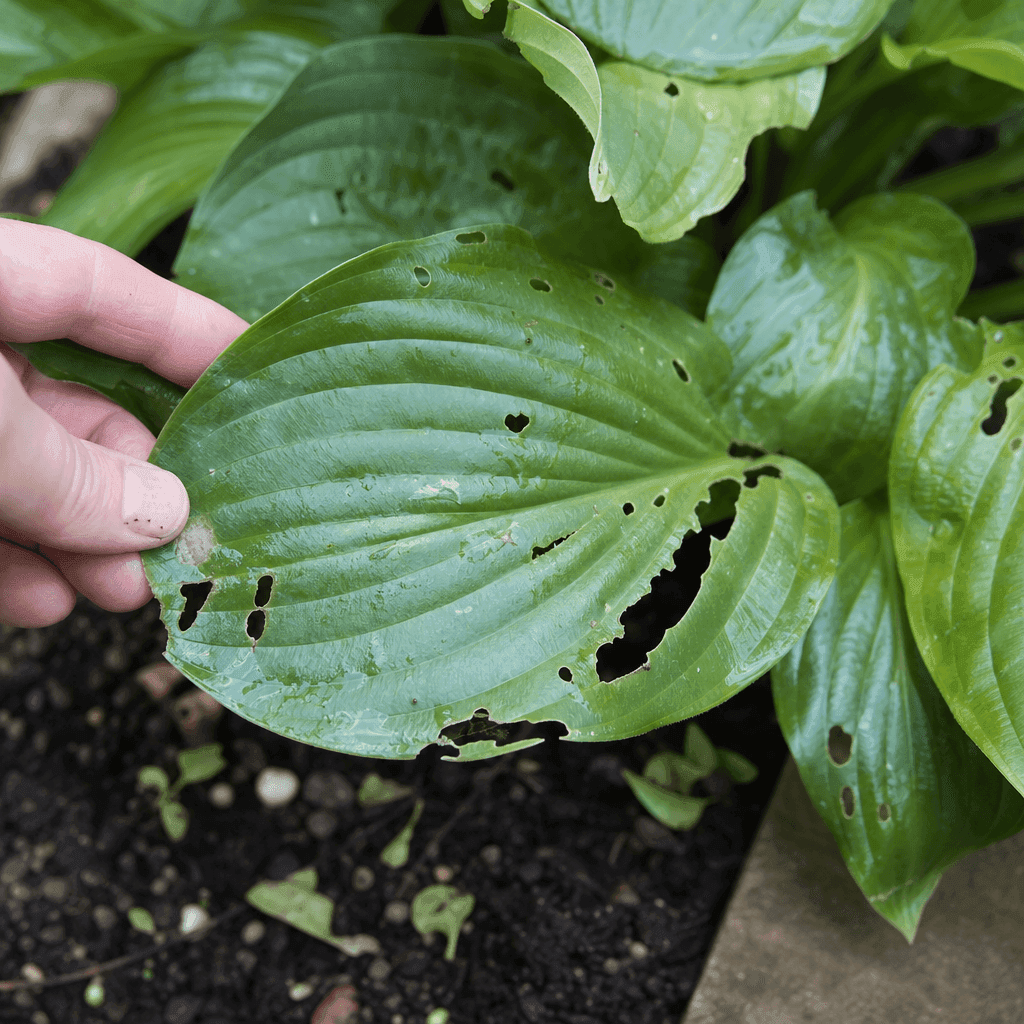
Most likelySome plants are so palatable to slugs that they need specific protection regardless of garden-wide control measures. Hostas, dahlias, delphiniums, lettuce and brassica seedlings are at the top of the slug damage league in UK gardens. The RHS and BBC Gardeners' World both single out hostas as particularly vulnerable. For these plants, targeted protection — rather than whole-garden treatments — is the most practical approach.
- Holes appear even when other garden plants are undamaged.
- For hostas: holes in emerging shoots in early spring, before the leaf is fully unfurled.
- For dahlias: stems severed at soil level or leaves riddled with holes.
- For brassica seedlings: seedlings disappear entirely or are stripped to the stem.
- For pots, use copper tape around the rim as an additional deterrent alongside nematodes.
- Stand pot legs in bowls of water ('moats') to prevent slug access.
- Apply nematodes to pot compost and surrounding soil.
- For hostas, choose thick-leaved, blue-leaved cultivars which are less palatable.
- For dahlias, surround emerging tubers with a ring of ferric phosphate pellets and refresh after rain.
- For brassica transplants, start in module trays undercover until sturdy enough to tolerate some damage.
Stop it coming back:The most reliable long-term approach for slug-magnet plants is variety selection: choose hosta cultivars with thick, heavily textured leaves and brassica varieties with tougher outer leaves.
rely on copper tape alone as the sole protection for vulnerable plants — RHS trials showed copper tape did not significantly reduce slug damage compared with unprotected controls in garden-realistic conditions.
Vine weevil — misidentified as slug damage
PossibleVine weevil damage is sometimes confused with slug damage, but the two pests have different signatures. Adult vine weevils (Otiorhynchus sulcatus) create characteristic notched, scalloped bite marks around leaf edges, especially on heuchera, primula, fuchsia and hardy ferns. The larvae cause the most damage — white, legless, C-shaped grubs that eat roots and kill plants by severing them at or below the compost surface. No slime trail is ever present.
- Notched, scalloped bites around leaf margins — very different from the ragged holes slugs make.
- No slime trail anywhere on the plant or surrounding soil.
- Plant wilts and collapses despite adequate watering; tip out the pot to find white grubs.
- Dark brown adult weevils may be found hiding in compost or debris during the day.
- Treat pot compost with vine weevil nematodes (Steinernema kraussei) in late summer and early autumn when soil is 5–20°C.
- Check pots by tipping out and inspecting the root zone; remove and destroy any grubs found.
- Replace heavily infested compost entirely.
- Pick off adult weevils by hand at night from late spring to midsummer.
treat vine weevil damage with slug nematodes — the nematode species are different; Phasmarhabditis hermaphrodita targets slugs, Steinernema kraussei targets vine weevil larvae.
Still not sure?
Work down these branches — the first one that matches is your answer.
What not to do
- Use metaldehyde slug pellets — they are banned in the UK and harmful to wildlife.
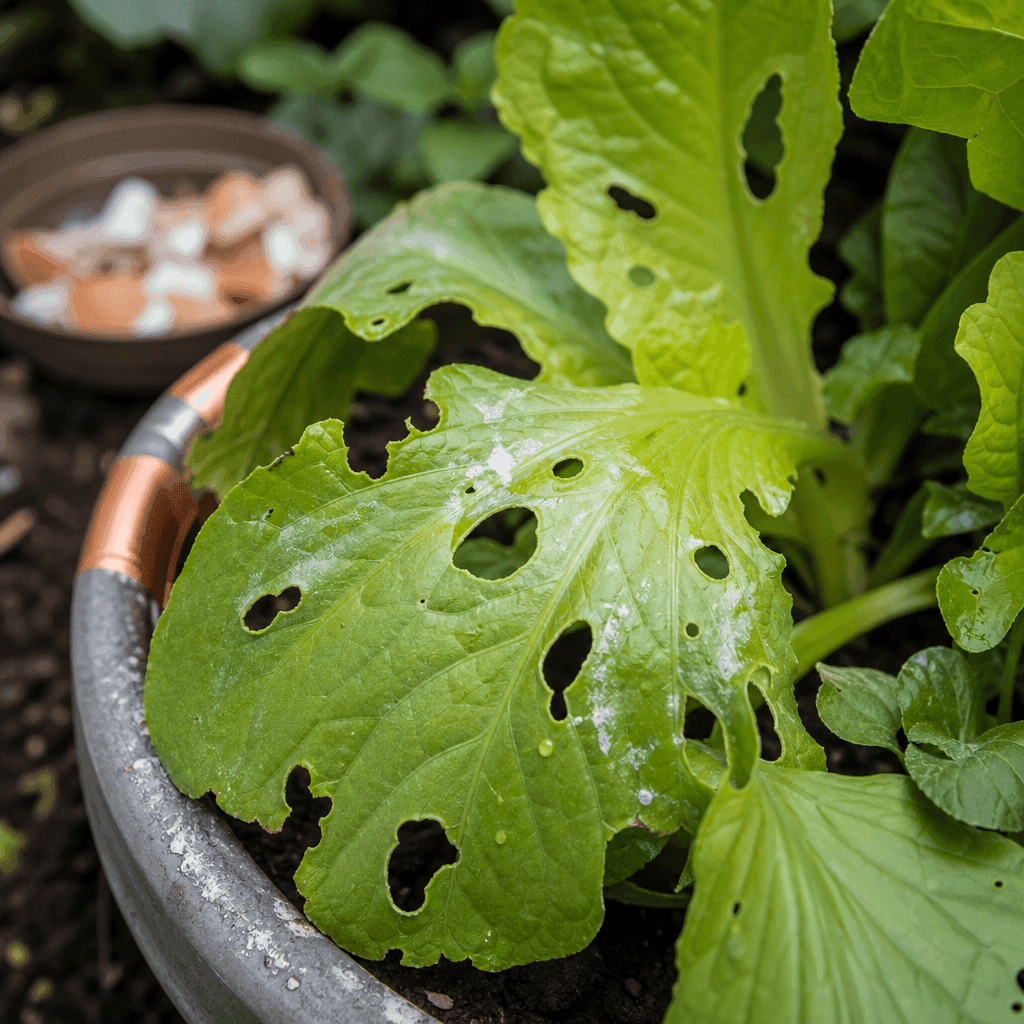
- Rely on copper tape, grit or eggshells as your main control — RHS research found these barriers made no significant difference.
- Apply nematodes to dry soil or when soil is below 5°C — they need moisture and warmth to work.
- Ignore underground slug damage on potatoes — keel slugs cannot be controlled with surface methods.
- Treat vine weevil damage with slug controls — they are entirely different pests requiring different nematode species.
Common questions
What is the most effective way to stop slugs in a UK garden?
Nematode biological control (Nemaslug, Phasmarhabditis hermaphrodita) is the most effective single method because it targets slugs in the soil where most of the population lives. Use it when the soil is moist and above 5°C. Combine with ferric phosphate pellets around the most vulnerable plants for the best result.
Do slug pellets harm hedgehogs and birds?
Metaldehyde slug pellets are now banned in the UK because they harm wildlife that eats poisoned slugs. Ferric phosphate pellets (sold as Sluggo, Ferramol and others) are approved for use by organic gardeners and are considered much safer for wildlife, pets and children. Encouraging the predators that eat slugs — hedgehogs, frogs, ground beetles and birds — also keeps other common garden pests like aphids in check naturally.
Does copper tape really stop slugs?
RHS research found that copper tape made no significant difference to slug damage compared with unprotected plants in realistic garden conditions. It may offer some deterrence on clean pot rims but should not be relied on as a sole control.
When should I apply slug nematodes?
Apply Nemaslug when the soil temperature is above 5°C and the soil is moist — typically from March to October in the UK. Spring and late summer are the most important times. Always water the nematodes into the soil immediately after applying and keep the soil moist for at least a fortnight.
Why are my potato tubers full of tunnels even though I haven't seen any slugs?
This is keel slug damage. Keel slugs (Tandonia species) live almost entirely underground and are rarely seen on the surface. Surface traps, pellets and barriers do not reach them. Soil-applied nematodes are the most practical control, along with harvesting potatoes promptly.
Are beer traps effective against slugs?
Beer traps catch some slugs, but only those within roughly a metre radius, and they catch only the small proportion of slugs active on the surface. They are useful as part of a combined approach but cannot protect a whole vegetable plot on their own. Use cheap lager — expensive beer is wasted.
Which plants do slugs hate?
Slugs generally avoid plants with rough, hairy or aromatic leaves — such as astrantia, foxglove, hardy geraniums, lavender, rosemary and ferns. Hosta cultivars with thick, blue, heavily textured leaves are much less palatable than the thin-leaved varieties. Building your garden around naturally slug-resistant plants reduces the problem significantly.
How do I protect hostas from slugs?
Use a combination of nematodes applied to the soil around the crown in spring, ferric phosphate pellets refreshed after rain, and pots raised on feet or stood in moats of water. Start protecting hostas as shoots emerge in early spring before the leaves unfurl, as this is when they are most vulnerable.