Pests and what they do to plants
Most pests are easier to identify by the damage they leave than by catching the culprit in the act. Stippled leaves, ragged holes, sticky residue, fine webbing and notched edges each point to a different offender. Start with the damage you can see.
Pests are easiest to diagnose from the damage pattern, not from a fleeting glimpse of a tiny insect. Holes usually mean chewing pests — slugs, snails, caterpillars or beetles. Sticky residue means sap-suckers — aphids, scale, mealybugs or whitefly. Fine webbing points strongly to spider mites, silvery streaks to thrips, and white cottony fluff in leaf joints to mealybugs.
Before reaching for a spray, isolate the worst-affected houseplant, check the undersides of leaves and the newest growth, and tap foliage over white paper to reveal mites, thrips and tiny aphids. Pests almost always leave evidence — insects, cast skins, honeydew, webbing, frass, slime or chewing patterns — so the absence of any of these usually means the cause is disease, watering or nutrients instead.
Many plants recover once the pest is removed and conditions are steadied, but old holes, silvering and distorted leaves will not heal — recovery shows in clean new growth. Tolerate a few aphids or leaf holes in an outdoor garden where they feed predators; act when vulnerable seedlings, edible crops or houseplant collections are at risk.
22 diagnosis guides in this area
Showing 1–12 of 22 guides
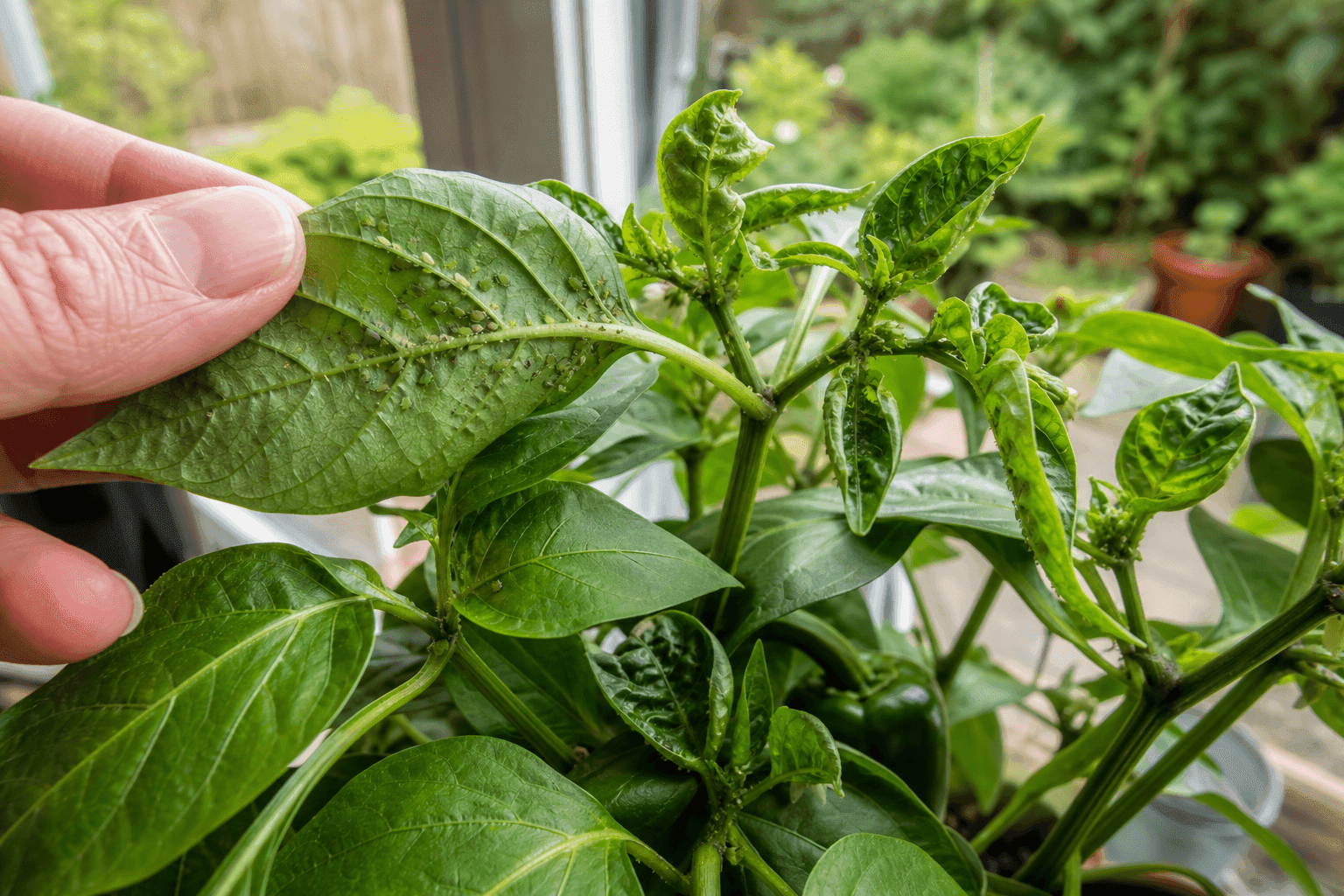
Aphids on Pepper Plants: Identification and UK Control
Identify and control aphids on UK pepper plants. Covers peach-potato aphid, whitefly, root aphids, and biological controls — no guesswork.
Read the guide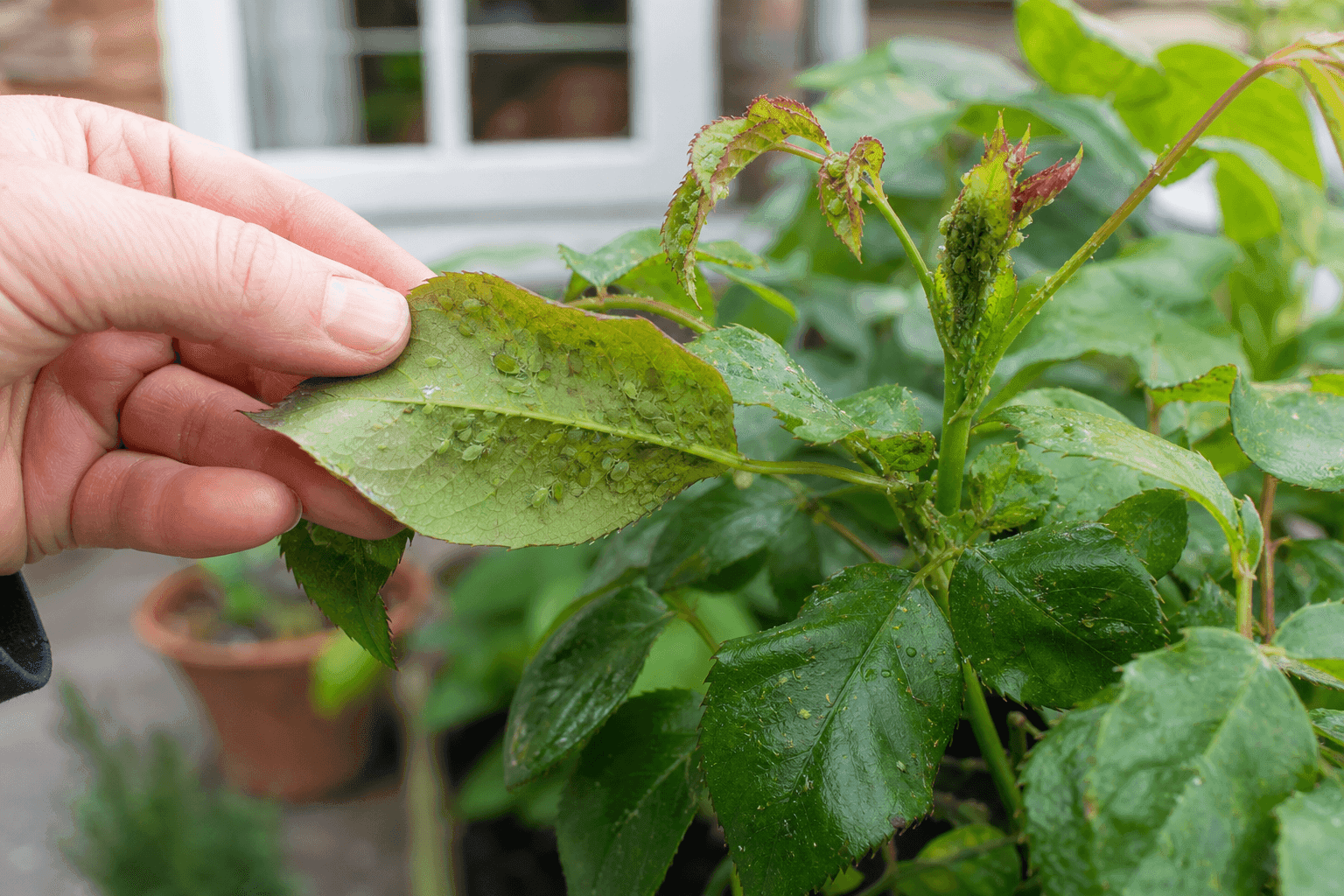
Aphids on Plants: UK Identification, Control and Fixes
Spot aphids on your plants? This UK guide covers blackfly, greenfly, woolly aphid and root aphids — how to confirm them and clear them without chemicals.
Read the guide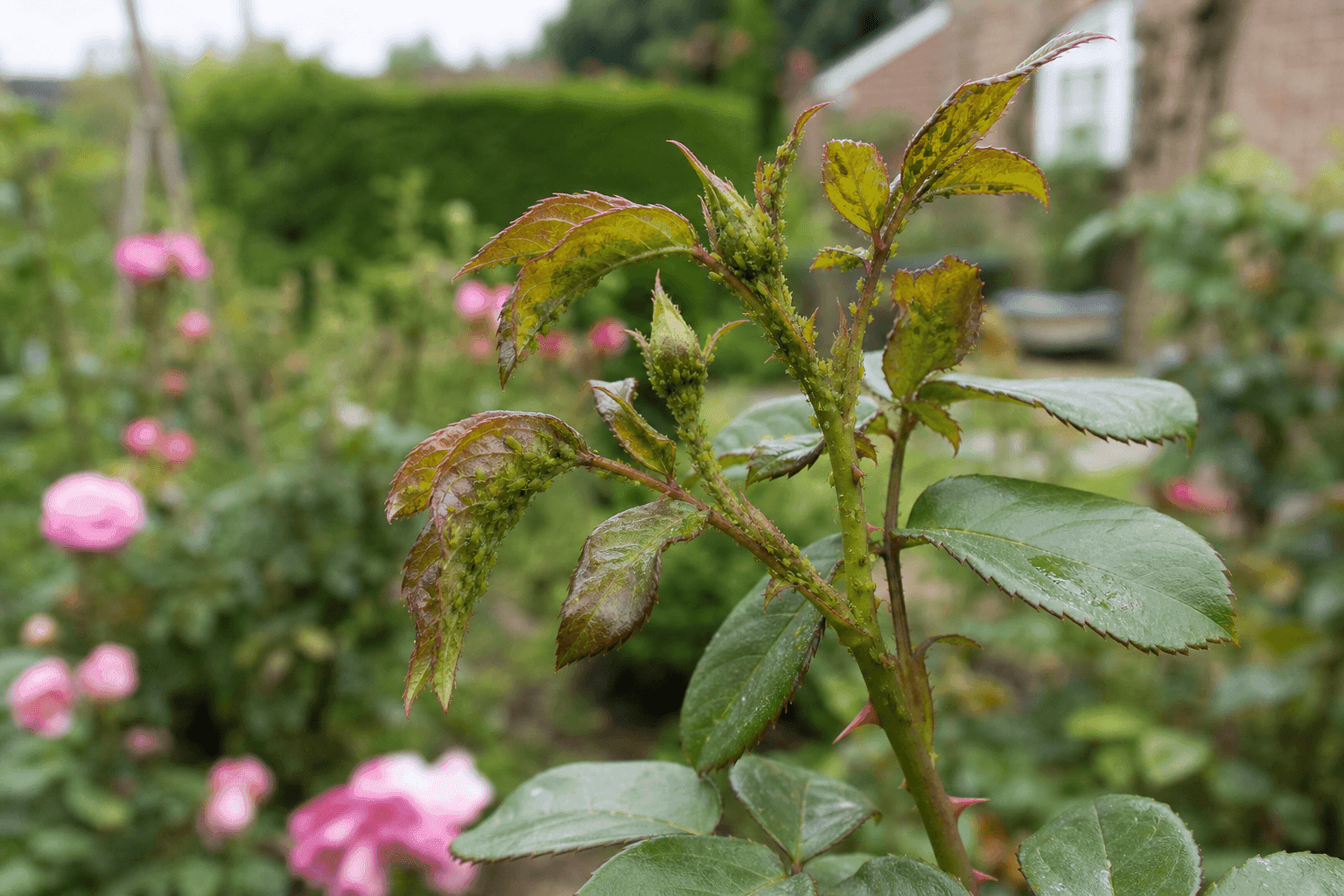
Aphids on Roses: UK Identification, Treatment and Control
Aphids on roses in the UK — how to identify rose aphids (greenfly), when to act and how to control them without harming natural predators.
Read the guide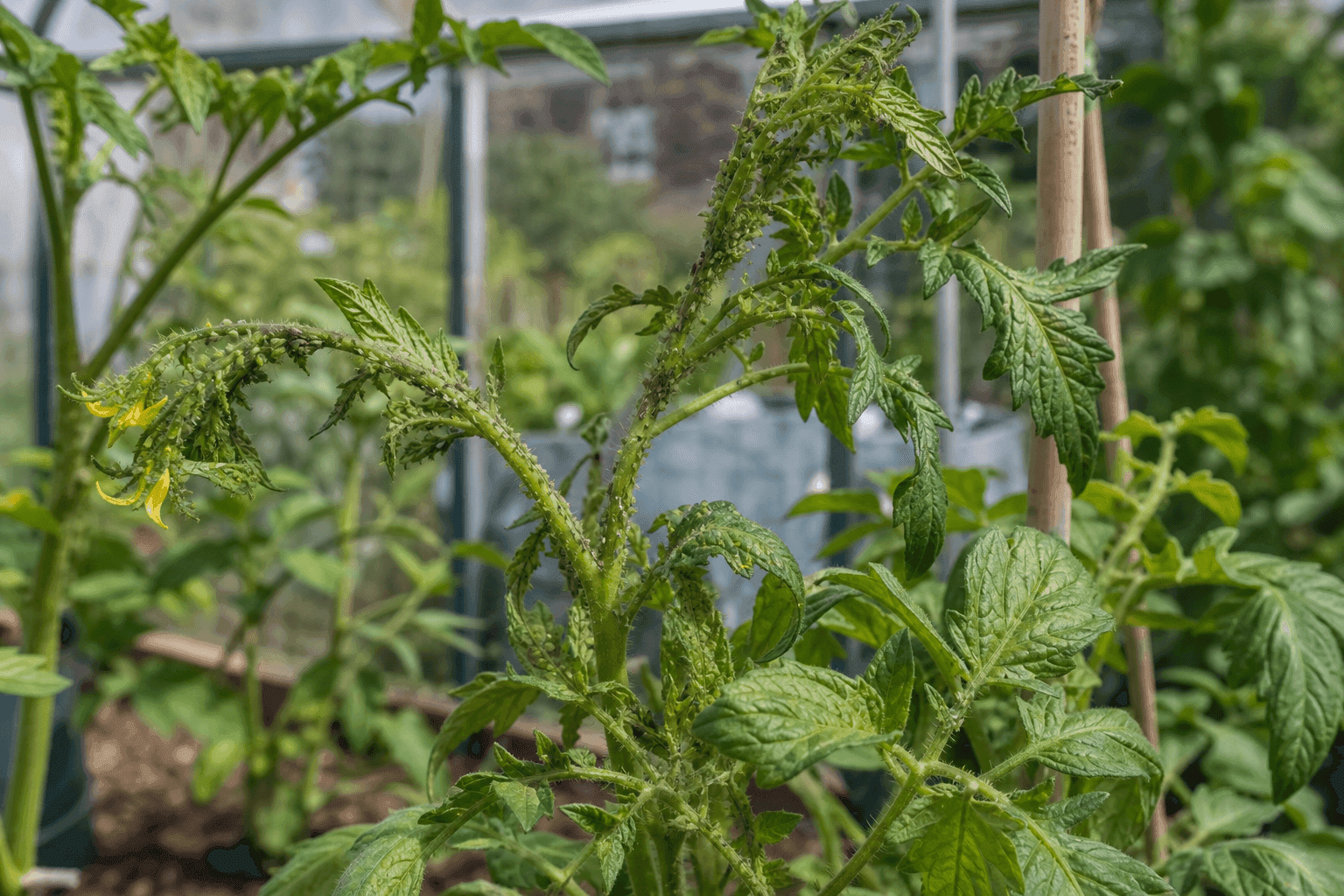
Aphids on Tomato Plants: UK Identification and Control
Sticky leaves, distorted shoot tips or clusters of insects on your tomatoes? Identify the aphid species and choose the right UK control — from ladybirds to biological controls.
Read the guide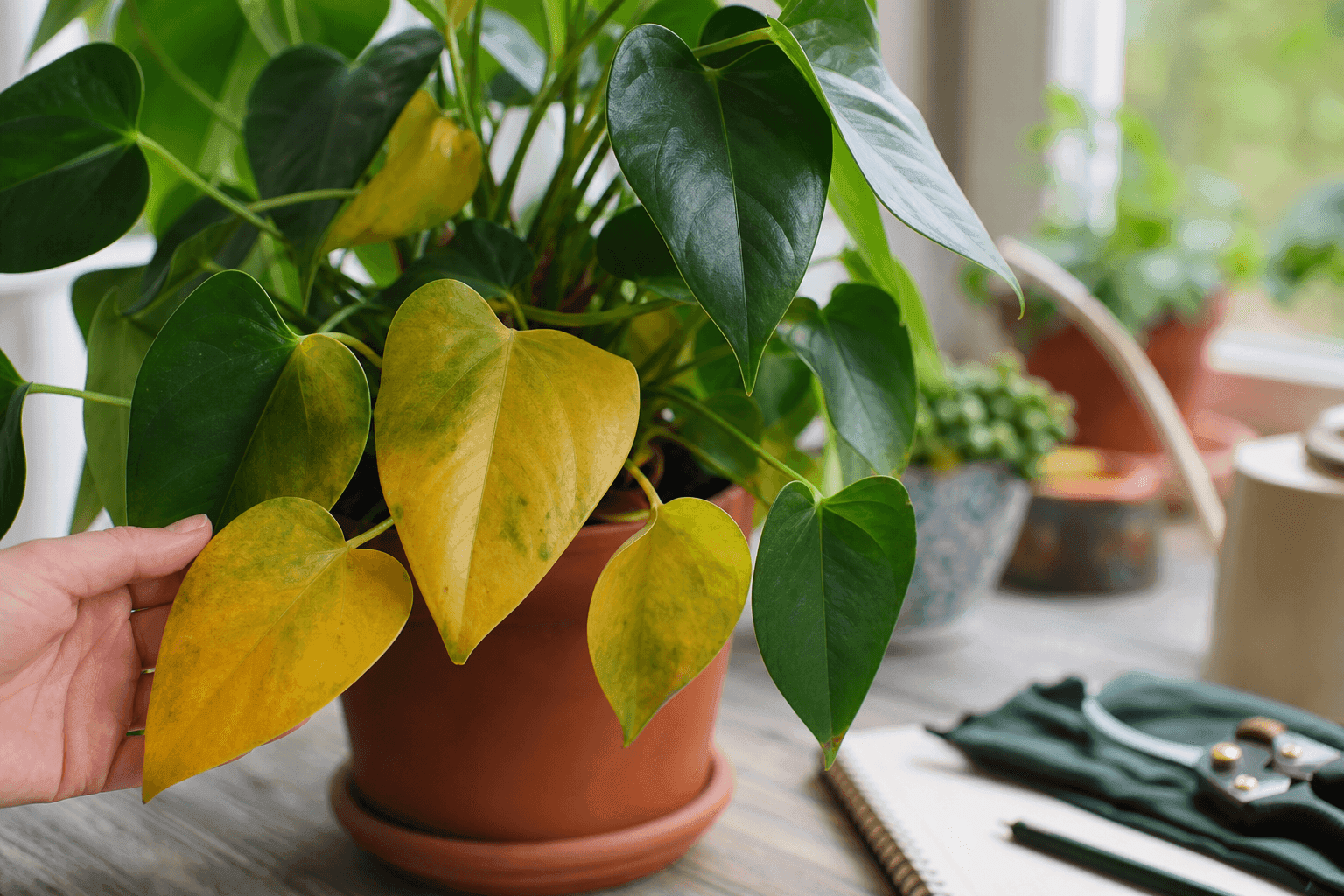
Bamboo Plant Leaves Turning Yellow: Causes and Fixes
Bamboo plant leaves turning yellow? Diagnose lucky bamboo and outdoor bamboo problems in the UK, from water quality and root rot to light, cold and feeding.
Read the guide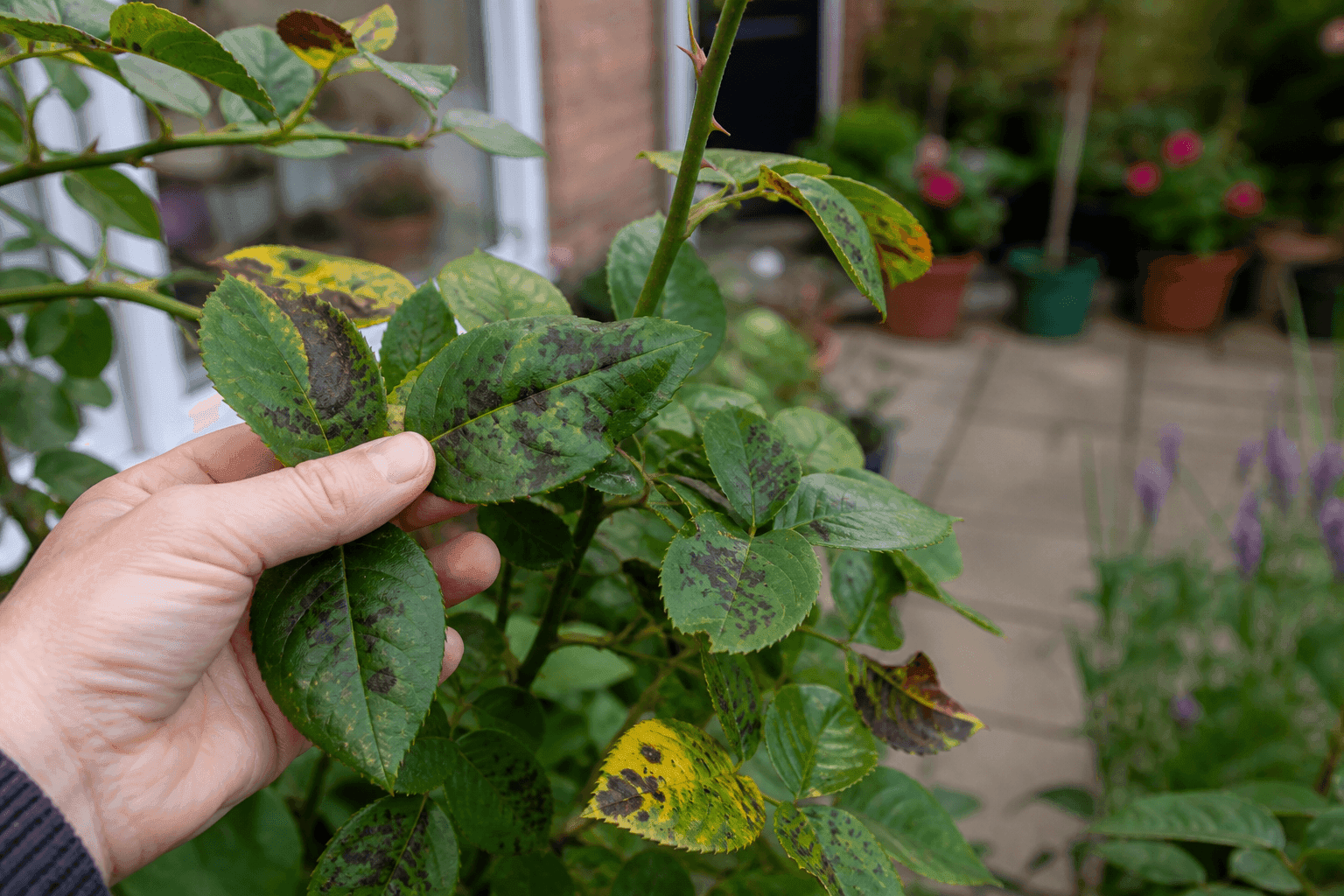
Black Mould or Mildew on Plants: UK Diagnosis and Fixes
Black sooty mould, powdery mildew or grey mould on your plants? Use this UK diagnosis guide to tell them apart and treat the real cause.
Read the guide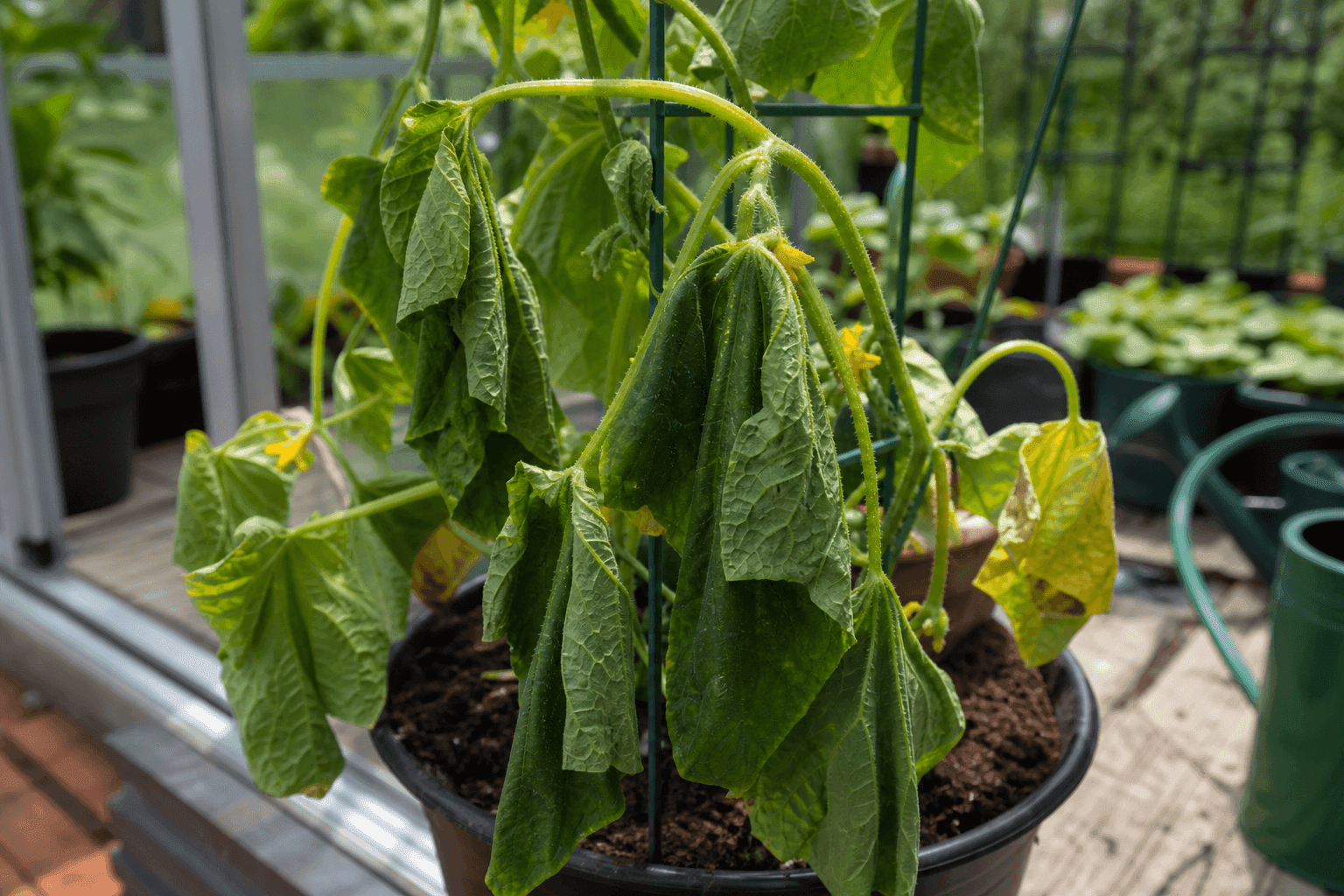
Cucumber Plant Wilting: UK Causes, Diagnosis and Fixes
Cucumber wilting in the UK is most often underwatering, root rot, or Verticillium wilt. Use this diagnosis table to find the cause and act fast.
Read the guide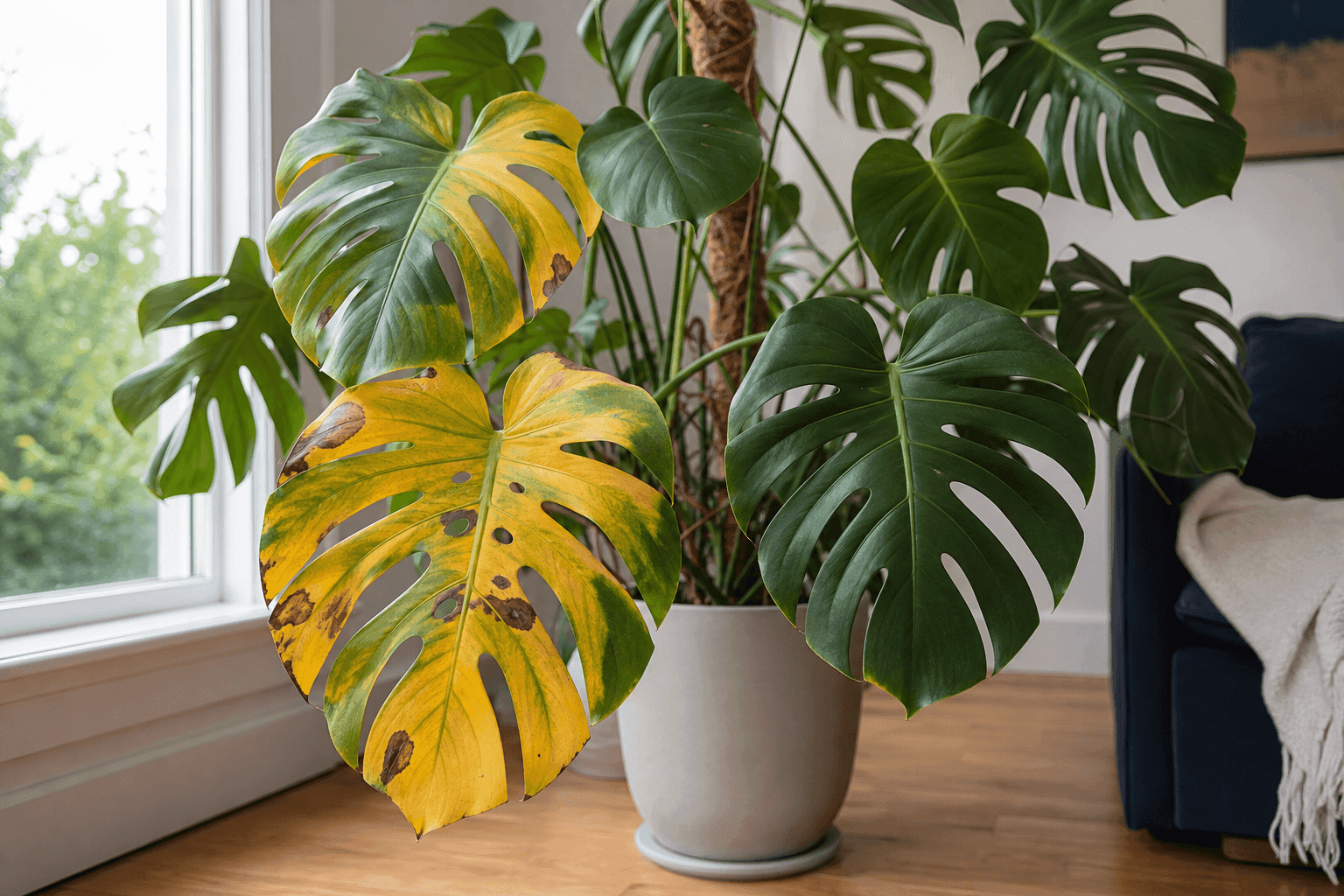
Should You Cut Off Yellow Monstera Leaves?
Learn when to cut yellow Monstera leaves, when to wait, and how to check for pests, disease, root stress, or normal ageing.
Read the guide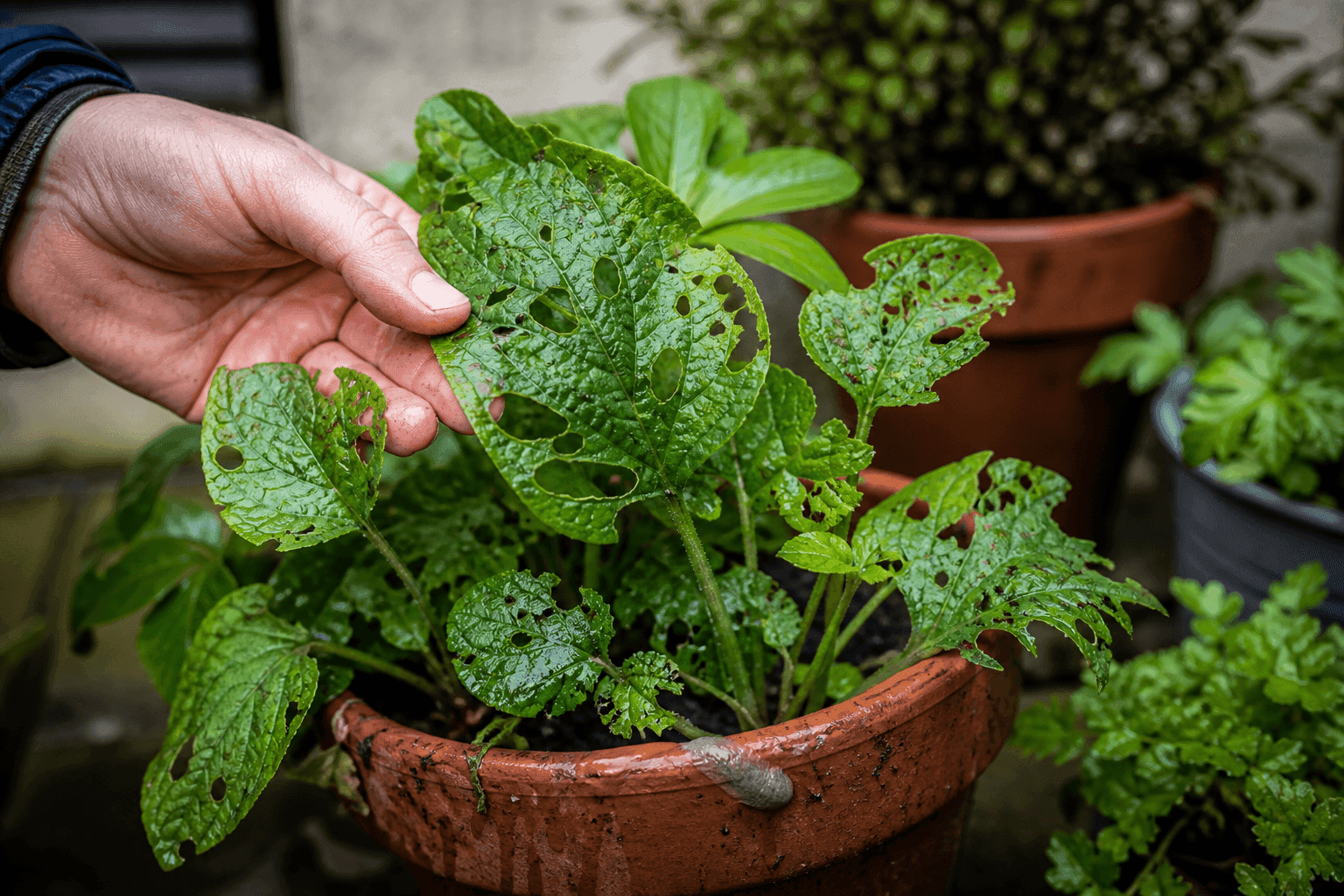
How to Stop Slugs Eating Plants: UK Controls That Work
Stop slugs eating your plants with UK-proven methods: nematodes, ferric phosphate pellets, hand-picking and targeted barriers. RHS-backed advice.
Read the guide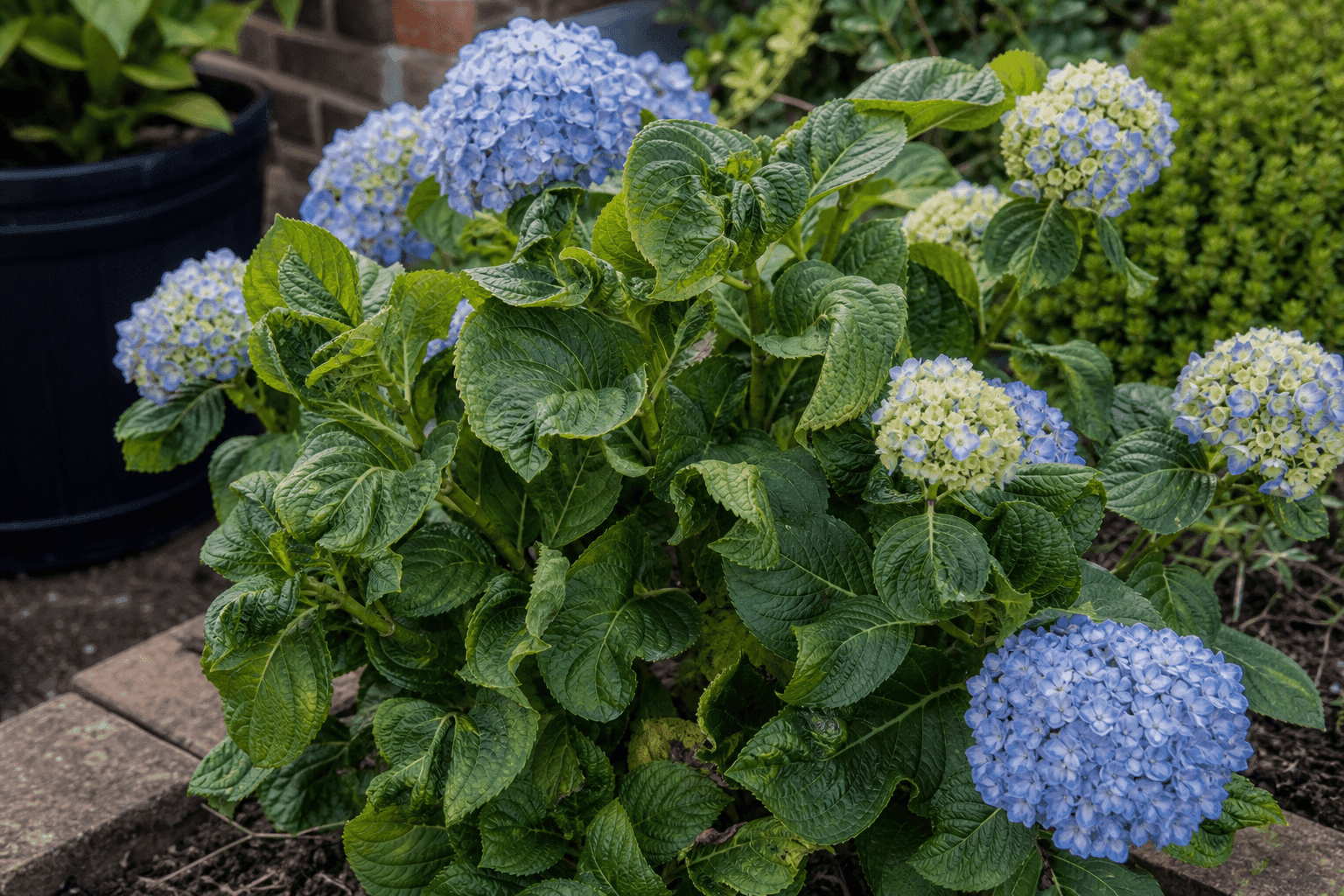
Hydrangea Leaves Curling: UK Causes and Fixes
Hydrangea leaves curling? The most common UK causes are drought, heat, aphids and lacebug. Diagnose and fix with this guide.
Read the guide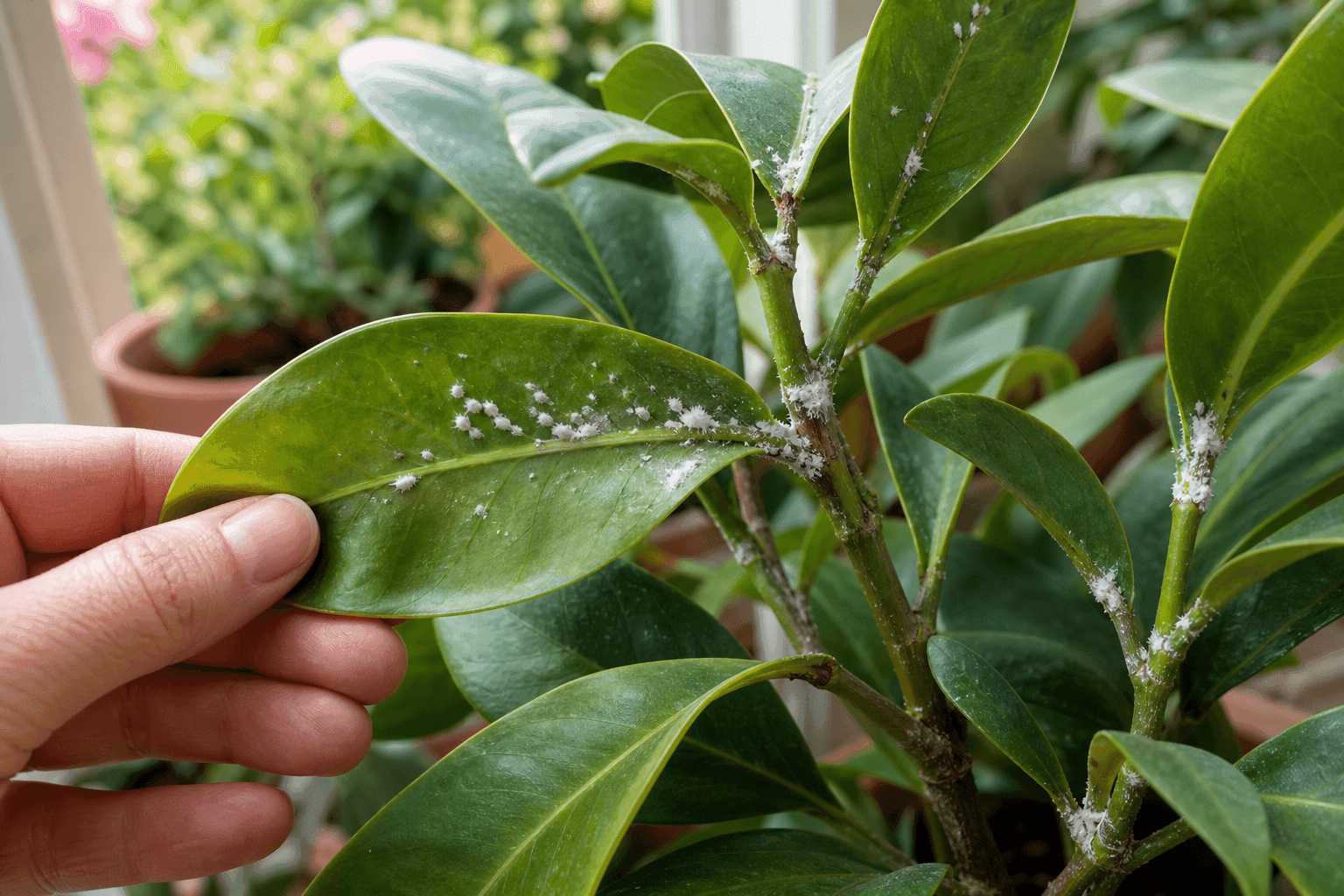
Getting Rid of Mealybugs: UK Treatment and Control Guide
Identify and treat mealybugs on UK houseplants and greenhouse plants. Covers rubbing alcohol, biological control and when to use insecticidal soap.
Read the guide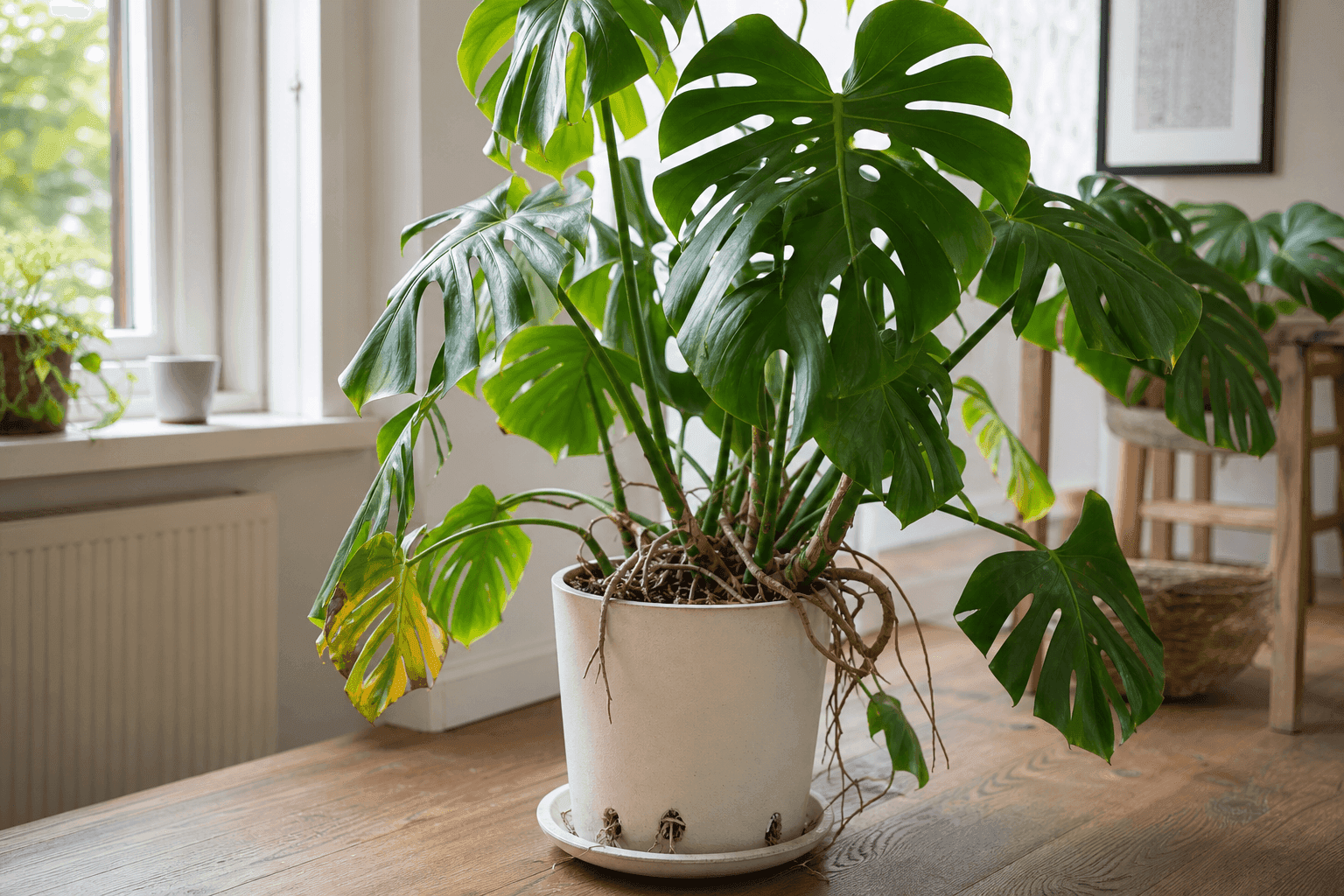
Monstera Leaves Turning Yellow After Repotting
Monstera leaves turning yellow after repotting? Use timing, root and pot-size checks to separate shock from root rot before you act.
Read the guideCommon questions
What causes sticky leaves on plants?
Sticky leaves are usually honeydew from sap-sucking pests such as aphids, scale insects, mealybugs or whitefly. Check stems, new shoots and leaf undersides, including the foliage above the sticky area. The black coating that often follows is sooty mould growing on the honeydew.
What pest causes webbing on plants?
Fine webbing is most often spider mites. In the UK, glasshouse red spider mite (two-spotted spider mite) is common on houseplants, greenhouse crops and some garden plants in warm, dry weather. Look for pale stippling on the upper leaf and tiny mites underneath.
What causes silver streaks on leaves?
Silvery streaks or scuffed patches usually point to thrips. Look for tiny black excrement specks on the damaged areas and shake leaves or flowers over white paper to spot the narrow, fast-moving insects.
What is the white fluffy stuff on my plant?
White fluff in leaf joints or stem crevices is often mealybug. It can also be woolly aphid or white wax from scale insects. Lift the fluff gently and look underneath for insects or eggs before treating it as a fungal disease.
Can plant pests spread to other plants?
Yes. Many pests spread on new plants, cuttings, hands, tools, air movement or by crawling between touching leaves. Quarantine new and infested houseplants, and inspect plants before moving them into a greenhouse or indoor collection.
Can vinegar get rid of bugs on plants?
Don't use vinegar as a general leaf spray — it can scorch or kill plant tissue and won't deal with hidden eggs or recurring infestations. Use washing, pruning, isolation, biological controls, or a product labelled for that plant and pest instead.
Sources
- RHS — Aphids
- RHS — Glasshouse red spider mite
- RHS — Mealybug
- RHS — Thrips
- RHS — Slugs and snails
- University of Minnesota Extension — Insects on indoor plants
Reviewed by the Leaf & Cause team. General guidance for UK growing conditions, not a substitute for professional advice — always follow product labels.